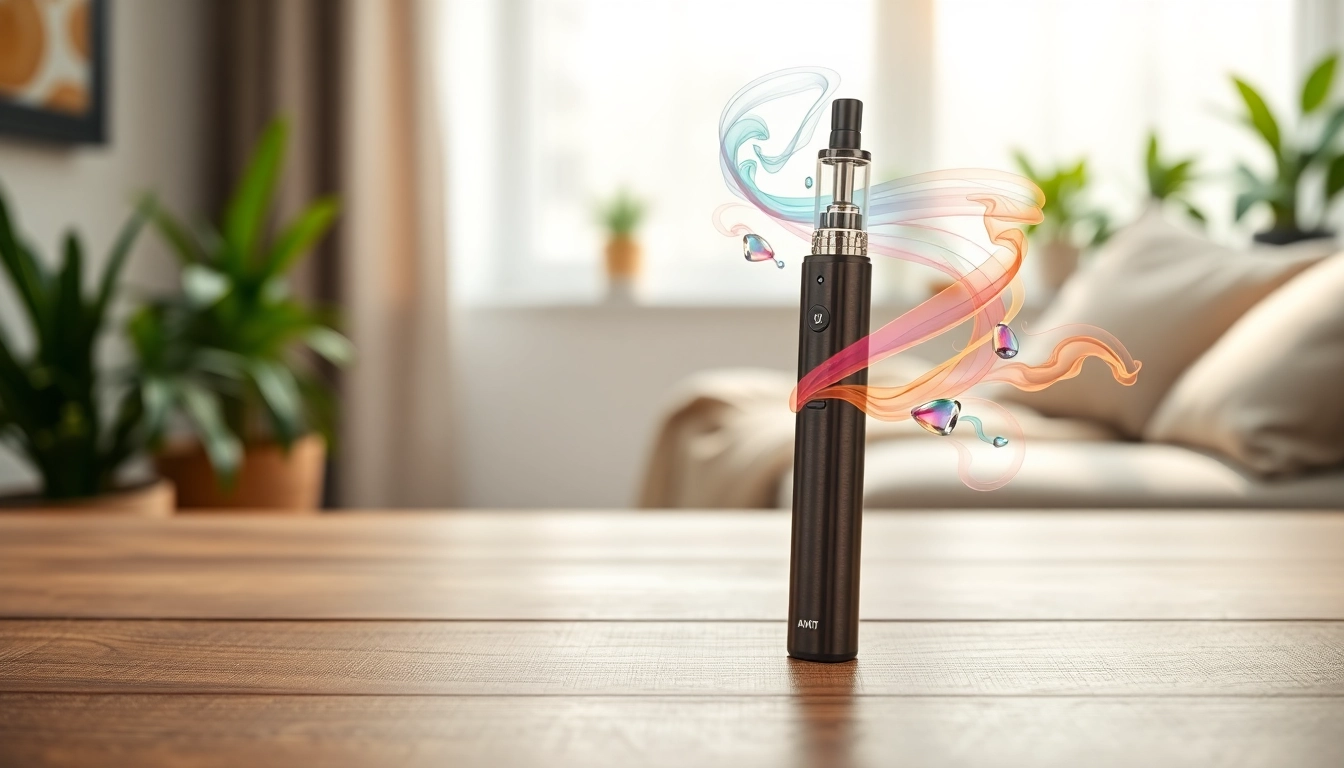
Understanding DMT: The Science Behind the Substance
What is DMT?
N,N-Dimethyltryptamine (DMT) is a powerful psychedelic compound structurally similar to the neurotransmitter serotonin. It is classified as a tryptamine and is known for its intense and short-lived hallucinogenic experiences. DMT can occur naturally in various plants and animals, making it one of the most researched psychedelics in contemporary studies on consciousness and spirituality.
Chemical Structure and Effects
The chemical formula of DMT is C12H16N2, and its structure is characterized by a tryptamine backbone. When ingested, whether through smoking, vaporizing, or in a brew like ayahuasca, DMT interacts with the brain’s serotonin receptors, particularly the 5-HT2A receptor. This interaction can lead to vivid hallucinations, altered perceptions of time and space, and profound emotional experiences.
Natural Sources of DMT
DMT is not only synthesized in laboratories but also found naturally in a variety of plants. Some well-known sources include:
- Psychotria viridis: Commonly used in ayahuasca brews, this plant is native to the Amazon rainforest.
- Phalaris arundinacea: Also known as reed canary grass, contains significant amounts of DMT.
- Desmanthus illinoensis: A perennial plant that displays high levels of DMT in its root bark.
Why People Buy DMT
Spiritual and Therapeutic Uses
Many individuals seek DMT for spiritual exploration and therapeutic purposes. It is often described as a “spirit molecule” due to the profound, life-altering experiences it can provide. Users report encountering deep personal insights, feelings of interconnectedness, and significant emotional healing. Research suggests DMT may assist in treating various psychological conditions, including depression and PTSD.
Recreational Experiences
Beyond its therapeutic potential, DMT is favored by those looking for intense recreational experiences. Users may seek the vibrant visuals and profound thoughts that accompany a DMT experience. The journey typically lasts from 15 to 60 minutes, depending on the method of consumption, providing a unique escape from reality.
Cultural Importance
DMT has been integral to indigenous cultures, particularly within South America, where it is used in traditional ceremonies. Ayahuasca, a brew containing DMT, is employed in shamanic practices to facilitate healing and spiritual insights. This cultural significance is being recognized more widely in contemporary societies, bridging ancient wisdom with modern therapeutic practices.
How to Buy DMT Safely and Legally
Navigating Legal Considerations
The legality of DMT varies significantly around the world. In many jurisdictions, DMT is classified as a Schedule I substance, making its possession and distribution illegal. However, some countries and states provide legal avenues for its use in religious or therapeutic contexts. It is crucial to understand local laws before attempting to buy dmt.
Finding Reliable Sources
Purchasing DMT requires caution and diligence. Users should prioritize safety by seeking out trusted sources. Online forums, community discussions, and recommendations from experienced users can help guide individuals toward reputable suppliers. Moreover, it is beneficial to verify the authenticity of products through lab results when available.
Evaluating Product Quality
Not all DMT products are created equal. Quality can vary based on the extraction method, purity, and source material. Users should look for transparent labeling and consider third-party lab testing to ensure they are consuming a high-quality product. High-purity DMT typically emphasizes its efficacy and safety when used in controlled settings.
Different Forms of DMT: What to Choose
DMT Vape Pens vs. Other Delivery Methods
DMT is available in several forms, including vaporized formulations, powdered extracts, and in natural plant materials. Vape pens are increasingly popular due to their convenience and discretion. However, traditional methods like smoking DMT crystals or consuming ayahuasca in a ceremony each provide unique experiences. The choice depends on personal preferences, legality, and desired effects.
Comparing DMT Extracts and Ground Materials
When selecting DMT, one may choose between extracts like crystalline DMT and ground materials like those found in ayahuasca. Extracts typically produce more intense and direct experiences, while plant materials may deliver a gentler, more holistic journey. Understanding the desired intensity and nature of the experience is crucial when making a choice.
Understanding Dosages and Concentrations
The appropriate dosage of DMT can vary considerably based on the individual’s experience level and the delivery method used. For instance, vaporizing DMT may require smaller dosages (10-20 mg) for profound effects, whereas ayahuasca preparations typically need higher quantities. New users are advised to start with lower doses and gradually increase as they become familiar with the substance.
Best Practices for DMT Use
Preparing for Your Experience
Preparation is vital for a positive DMT experience. This can involve mental and physical preparation, including setting intentions and ensuring a clear mindset. Many users find practices like meditation and journaling helpful to clarify their intentions and mental space before undertaking a DMT journey.
Creating a Safe Environment
Safety should be a top priority when using DMT. Ensuring a comfortable, safe environment devoid of potential disturbances promotes a more profound experience. Involving a trusted, sober sitter can provide security and support throughout the journey, creating a sense of safety that allows for deeper exploration.
Post-Experience Care
After a DMT experience, individuals may go through a period of integration, which is vital for incorporating insights gained during the experience. Reflecting, journaling, or discussing with trusted friends or mental health professionals can aid this process, helping individuals absorb and understand their experiences better.
Frequently Asked Questions About DMT
What are the effects of DMT?
DMT typically induces intense visual and auditory hallucinations, altered thinking, and profound feelings of interconnectedness or spiritual presence. Experiences can vary widely among individuals.
Is DMT addictive?
DMT is not considered physically addictive. Users typically do not develop a compulsive urge to use it regularly, as the experiences often feel intense and can require a significant mental commitment.
How long does a DMT trip last?
A typical DMT experience lasts between 15 to 60 minutes when vaporized or smoked, while ayahuasca experiences can extend for several hours, depending on the brew and dosage.
Can I buy DMT legally?
The legality of DMT varies widely across jurisdictions. Understanding local laws regarding DMT is crucial before attempting to purchase or use it.
What should I consider before using DMT?
Before using DMT, consider your mental health, setting intentions, and ensuring a safe environment. It’s also wise to be aware of potential interactions with medications or existing health conditions.