
Understanding the Fundamentals of Sports Broadcasting
Definition and Key Aspects of Sports Broadcasting
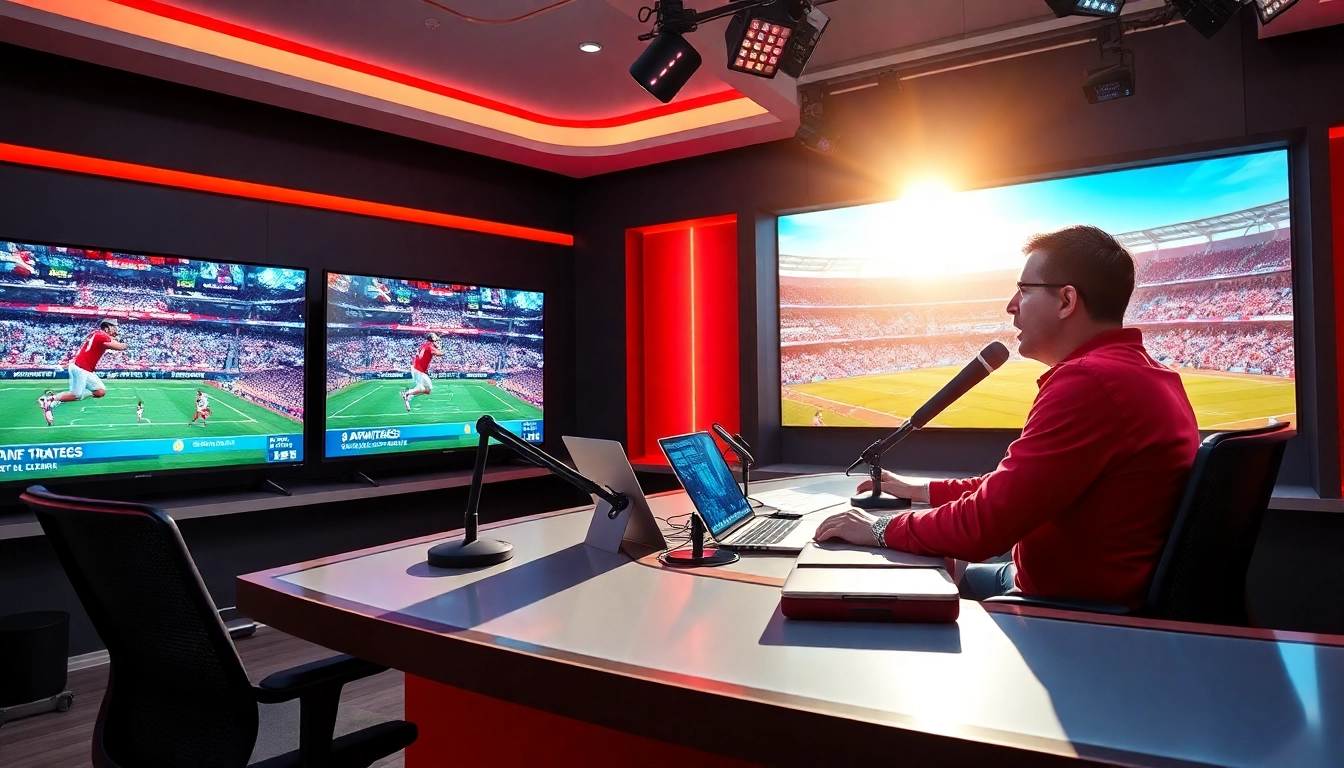
Sports Broadcasting refers to the live transmission of sports events to audiences via television, radio, or online platforms. This process intricately combines aspects of journalism, technology, and entertainment to engage fans across various viewing mediums. The essence of Sports Broadcasting lies in its ability to convey real-time action, offer insightful commentary, and provide statistics that enhance viewer understanding and enjoyment.
Key aspects include production quality, talent, technology, and the network's reach, all of which contribute to how successfully sports events are broadcasted. Professional sports teams rely on robust broadcasting partnerships to maximize exposure and revenue, while audiences benefit from diverse viewing options and informative content. In the realm of digital transformation, the evolution of Sports Broadcasting has become paramount, paving the way for innovative content delivery and engagement strategies.
Historical Evolution of Sports Broadcasting
The journey of Sports Broadcasting commenced with radio broadcasts in the early 20th century, providing sports enthusiasts with immediate updates and play-by-play action. As technology advanced, television broadcasts emerged in the 1930s, revolutionizing the way audiences consumed sports. Major events like the World Series and the Olympics drew millions of viewers and established sports as a cultural phenomenon.
The subsequent introduction of cable television in the 1980s expanded sports viewership, with dedicated sports networks allowing fans access to an array of live events. The 21st century has witnessed a seismic shift with the advent of digital streaming, enabling sports fans to watch their favorite events on-demand across multiple devices, thus personalizing the viewing experience and reshaping the economics of Sports Broadcasting.
Importance of Sports Broadcasting in the Sports Ecosystem
Sports Broadcasting is a vital component of the sports ecosystem, acting as a bridge between athletic competitions and fans. It serves multiple functions, including revenue generation, audience engagement, and brand promotion. Broadcasters provide significant financial support to sports leagues, which, in turn, can invest in better facilities, player development, and community engagement initiatives.
Moreover, Sports Broadcasting enhances fan loyalty by providing exclusive access to behind-the-scenes content, player interviews, and expert analyses. This integration of content not only amplifies the sport's visibility but also cultivates a community where fans feel invested in both the sport and the team's journey.
Technologies Driving the Future of Sports Broadcasting
Innovations in Live Broadcasting Techniques
The landscape of live sports broadcasting has been transformed through technological innovations. Enhanced camera work, multi-camera angles, and drones have improved the viewing experience by offering more immersive perspectives of the action. Additionally, advanced graphics and real-time statistics enrich the narrative, allowing audiences to engage with the content dynamically.
Furthermore, 4K resolution and high-definition broadcasts have set a new standard for visual quality, attracting viewers who prioritize a superior viewing experience. Innovations such as instant replay technology and decision reviews have added to the excitement by enhancing transparency and ensuring accuracy during critical moments in games.
Role of Streaming Platforms in Sports Broadcasting
Streaming platforms play a pivotal role in modern Sports Broadcasting, facilitating access to live events that were previously bound by geographic limitations. Services like online subscriptions and pay-per-view models have democratized viewership, providing fans with a choice on when and how to consume their favorite sports. Streaming also offers unique features such as multi-screen viewing, which allows fans to watch multiple games simultaneously, further enhancing viewer engagement.
Furthermore, platforms often feature interactive components such as chat rooms or voting systems that can significantly increase fan interactivity during broadcasts. As a result, streaming platforms are not just venues for live content but also interactive environments fostering community among fans.
Enhanced Viewership through Virtual and Augmented Reality
Virtual and augmented reality technologies are pushing the boundaries of Sports Broadcasting, offering unprecedented experiences to fans. AR can bring stats and player information to life during a live game, overlaying real-time data on viewers' screens, while VR immerses fans in a 360-degree environment, allowing them to feel like they are part of the action.
As these technologies evolve, they present opportunities for broadcasters to create personalized experiences tailored to individual preferences. For instance, fans could choose camera angles that suit their viewing style or switch between immersive and traditional perspectives, reimagining how sports are consumed.
Audience Engagement Strategies in Sports Broadcasting
Interactive Features and Fan Participation
Audience engagement has become increasingly important in Sports Broadcasting, with interactive features facilitating real-time fan participation. Elements such as live polls, trivia quizzes, and social media integration allow fans to voice their opinions and engage with the broadcast actively. This synchronous participation transforms passive viewers into active participants, fostering a deeper connection with the sport.
Moreover, fan engagement platforms enable viewers to participate in discussions during broadcasts, cultivating a sense of community around events and connecting fans who share their passion for sports. Such interactive strategies can enhance viewer retention and loyalty, driving long-term success for sports broadcasters.
The Role of Social Media in Sports Broadcasting
Social media has become an indispensable tool in Sports Broadcasting, allowing instant communication between fans and broadcasters. Platforms like Twitter, Instagram, and Facebook facilitate real-time interactions, creating an immersive experience that accompanies live broadcasts. Fans can share their thoughts, respond to commentators, and access highlights update feeds almost instantaneously.
Additionally, social media acts as a powerful marketing tool for broadcasters, enabling them to promote upcoming events, share exclusive behind-the-scenes content, and increase brand loyalty. By engaging fans before, during, and after events, social media amplifies the reach and impact of Sports Broadcasting beyond traditional broadcasts.
Personalization Techniques for Optimal Viewer Experience
Personalization has emerged as a key strategy within Sports Broadcasting, catering to the unique preferences of individual viewers. Advanced analytics and machine learning algorithms enable broadcasters to recommend content based on past viewing behavior, optimizing the viewer's experience. By tailoring broadcasts to suit audience preferences—such as preferred teams, career highlights, or play styles—broadcasters can enhance viewer satisfaction.
This approach not only boosts engagement but also increases the likelihood of viewers returning to watch future events, providing long-term benefits to both fans and broadcasters through loyalty programs and targeted advertising strategies.
Challenges and Opportunities in Sports Broadcasting
Navigating Regulatory Frameworks in Sports Broadcasting
One of the primary challenges in Sports Broadcasting is navigating the regulatory frameworks that govern broadcasting rights and content distribution. Complying with licensing agreements, copyright laws, and regional broadcasting regulations can be complex and variable across different regions. Broadcasters must remain vigilant and adaptive, ensuring they meet legal requirements while also striving for innovation.
However, these challenges also present opportunities. By understanding and leveraging regulations, broadcasters can secure exclusive content rights and gain strategic advantages over competitors, ultimately enhancing their market presence and streaming capabilities.
Monetization Challenges Facing Sports Broadcasters
Monetization remains a significant challenge for many sports broadcasters as they adapt to changing viewer habits and preferences. With the transition from traditional cable subscriptions to digital streaming services, revenue streams are evolving. Broadcasters must find sustainable models that balance free content distribution with monetization methods such as subscription fees, advertising, sponsorships, and merchandise sales.
To succeed, broadcasters need to innovate revenue strategies by considering collaborations, targeted advertising, and diversifying content offerings to attract and retain viewers who demand high-quality, relevant sports coverage.
Future Trends and Opportunities in Sports Broadcasting
The future of Sports Broadcasting is poised for exciting transformations, driven by technological innovation and changing consumer behaviors. As technologies such as 5G become more widespread, they will enable seamless streaming experiences and enhance the delivery of high-definition content. Additionally, the integration of AI in content curation and viewer engagement is expected to play a significant role.
Broadcasters have the chance to harness emerging trends such as blockchain for secure transactions, NFTs for collectible sports moments, and immersive storytelling techniques. By capitalizing on these trends, broadcasters can push the envelope and offer fans a richer, more engaging experience.
Measuring Success in Sports Broadcasting
Key Performance Indicators for Broadcasters
Measuring success in Sports Broadcasting requires a robust set of Key Performance Indicators (KPIs) that assess viewership, engagement, and revenue outcomes. Metrics such as Total Viewership, Average Watch Time, and Viewer Retention Rates should be tracked to evaluate the direct impact of broadcasts on the audience's behavior.
Other KPIs may include Social Media Engagement, Ad Click-Through Rates, and Audience Demographics, all of which provide crucial insights into how well content resonates with specific viewer segments. Leveraging these metrics can empower broadcasters to refine content strategy and improve overall performance.
Evaluating Audience Reach and Engagement Metrics
Understanding audience reach and engagement metrics entails analyzing both quantitative and qualitative data. Broadcasters must evaluate viewer count, geographic distribution, and demographic profiles to measure their overall reach. At the same time, qualitative metrics derived from social media interactions can shed light on viewer sentiment and preferences.
By conducting regular surveys and collecting feedback, broadcasters can adapt strategies to better meet audience needs, ensuring long-term engagement and loyalty from their fan base.
Case Studies of Successful Sports Broadcasting Campaigns
Case studies of successful sports broadcasting campaigns provide valuable insights into best practices and innovative strategies. For instance, a notable case is the implementation of augmented reality features during live broadcasts to enhance viewer interaction and engagement.
These case studies serve as both a blueprint for strategic initiatives and a source of inspiration for broadcasters looking to elevate their platforms. They highlight the importance of creativity, adaptability, and a focus on viewer experience in achieving success in the competitive landscape of Sports Broadcasting.
FAQs on Sports Broadcasting
What is Sports Broadcasting?
Sports Broadcasting refers to the live transmission of sports events to audiences via television, radio, or online platforms.
How has technology impacted Sports Broadcasting?
Technology has revolutionized Sports Broadcasting with innovations like streaming, VR, and interactive features enhancing viewer engagement.
What role do social media play in Sports Broadcasting?
Social media boosts Sports Broadcasting by enabling real-time interactions, sharing highlights, and increasing fan engagement across platforms.
What are common challenges in Sports Broadcasting?
Common challenges include regulatory hurdles, monetization issues, and adapting to ever-changing viewer preferences and technologies.
How is the success of Sports Broadcasting measured?
Success is measured through performance metrics, audience ratings, engagement levels, and analyzing viewer feedback and reach.