Understanding Leak Detection Basics
Leak detection is a critical service for homeowners, helping to protect properties from water damage, mold, and costly repairs. When water or gas leaks occur, they can go unnoticed for extended periods, leading to significant damage and hazards. Therefore, understanding the basics of leak detection is essential for maintaining a safe and efficient home. In this comprehensive guide, we will delve into the various types of leaks, the technologies available for detection, and the process employed by professionals to ensure that your home remains leak-free. For instance, Leak detection is essential in identifying issues before they escalate, saving homeowners significant costs over time.
What is Leak Detection?
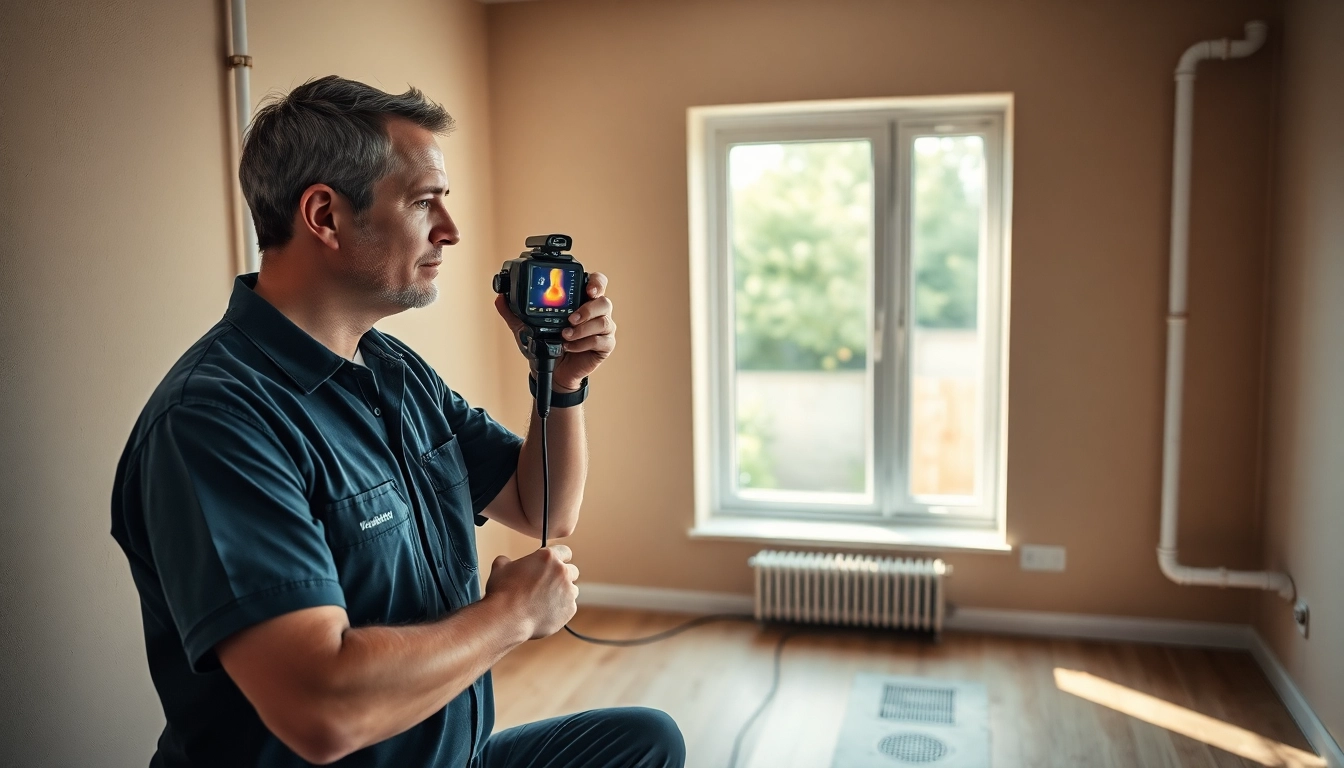
Leak detection refers to the process of identifying and locating leaks within various systems in residential and commercial properties. It involves using advanced technologies and methods to find leaks in pipes, walls, and other concealed places. The primary goal is to locate leaks accurately and efficiently, minimizing disruption to the property. Professional leak detection services utilize sophisticated equipment, including thermal imaging, acoustic sensors, and pressure testing, to pinpoint the exact location of leaks without invasive procedures.
Common Causes of Leaks in Domestic Properties
Leaks in domestic properties can arise from several different sources, including:
- Corrosion: Aging pipes, especially those made from galvanized steel or iron, can become corroded over time, leading to leaks.
- Temperature Changes: Fluctuations in temperature can cause pipes to expand and contract, resulting in cracks or breaks.
- Ground Shifting: Settling ground or earth movement can stress pipes, causing them to break or crack.
- Wear and Tear: Everyday usage can cause joints and fittings to wear out, leading to leaks.
Signs Indicating a Potential Leak
Identifying the early signs of a leak can save homeowners from significant damage and repair costs. Some common indications include:
- Unexplained increases in water bills.
- Moisture or damp spots on walls, ceilings, or floors.
- Visible mold growth in areas with poor ventilation.
- The sound of running water when all faucets are turned off.
Advanced Leak Detection Technologies
The modern world of leak detection employs sophisticated technologies that enhance the accuracy and efficiency of leak identification. These methods not only save time but also minimize the need for invasive procedures. Understanding these technologies can help homeowners appreciate the value of professional leak detection services.
Overview of Non-Invasive Techniques
Non-invasive leak detection techniques involve methods that do not require the disruption of walls or flooring. These technologies include:
- Thermal Imaging: This method uses infrared cameras to detect temperature differences caused by leaks, helping locate issues without any structural damage.
- Acoustic Listening Devices: These devices amplify the sounds of leaks, enabling technicians to pinpoint the exact location of water or gas escaping from pipes.
- Tracer Gas Detection: An odorless gas is introduced into the piping system, and its escape point is detected, allowing for accurate localization of leaks.
Benefits of Thermal Imaging in Leak Detection
Thermal imaging technology offers numerous advantages, such as:
- Immediate results without damaging walls or ceilings.
- Ability to detect hidden leaks behind surfaces.
- Improved accuracy in identifying the exact location of leaks, which expedites repair processes.
The Role of Acoustic Listening Devices
Acoustic listening devices play a crucial role in leak detection. They work by amplifying sound vibrations caused by water or gas escaping through cracks in pipes. Professional technicians utilize these devices to listen for specific frequencies associated with leaks, enabling them to pinpoint the problem area with precision.
Leak Detection Process: Step-by-Step Guide
Understanding the leak detection process can help homeowners appreciate the systematic approach taken by professionals to ensure efficiency and accuracy in detecting leaks. Here’s a breakdown of the typical steps involved.
Initial Assessment and Inspection Techniques
The first step in any leak detection service involves a comprehensive assessment of the property. Technicians will inspect visible plumbing, check for signs of moisture, and utilize electronic detection methods to evaluate the system’s integrity.
Utilizing Pressure Testing for Accurate Detection
Pressure testing is another essential method in leak detection. This technique involves isolating sections of piping and monitoring for pressure drops, which can indicate the presence of leaks. It is especially useful in larger systems where the leak may not be immediately visible.
Documenting Findings and Providing Reports
Once the assessment is complete and leaks have been identified, technicians will compile detailed reports. These reports typically include:
- Photographic evidence of leaks.
- Recommendations for repairs.
- An overview of the inspection process used.
Choosing the Right Leak Detection Service
Selecting a professional leak detection service requires careful consideration. With various companies available, it’s crucial to understand what to look for in order to ensure quality service and expertise.
What to Look for in a Professional Service
When choosing a leak detection service, consider the following factors:
- Experience and reputation within the community.
- Range of services offered, including emergency response capabilities.
- Use of advanced technologies and non-invasive detection methods.
Evaluating Certifications and Expertise
It is essential to verify that the technicians are certified and trained in leak detection. Look for professional affiliations and certifications that demonstrate a commitment to industry standards and best practices.
Understanding No Find, No Fee Policies
A “No Find, No Fee” policy can significantly reduce the risk for homeowners. This policy ensures that clients only pay for services if a leak is found, which promotes transparency and trust between the service provider and the homeowner.
Future Trends in Leak Detection
As technology continues to evolve, so do the methods and practices associated with leak detection. Staying informed about these trends can help homeowners make educated decisions regarding their property’s maintenance and safety.
Emerging Technologies in 2025 and Beyond
In the coming years, we can expect the development of even more advanced technologies, such as:
- Enhanced AI Algorithms: Artificial intelligence will play a role in analyzing data from leak detection devices, improving accuracy and predictive maintenance.
- Integration with Smart Home Devices: As homes become smarter, leak detection systems will likely integrate with home automation devices for real-time monitoring and alerts.
- Remote Sensing Technologies: These will allow for faster detection of leaks in hard-to-reach areas by using drones or remote cameras.
The Increasing Role of Smart Home Devices
Smart home technology is set to revolutionize leak detection. Devices that monitor water usage and alert users to potential leaks will become more widespread, providing homeowners with real-time data and peace of mind.
Predictions for Industry Growth and Development
With increasing awareness of the potential damages caused by leaks, the leak detection industry is expected to grow significantly. Homeowners are likely to prioritize preventive maintenance, leading to greater demand for professional leak detection services.