


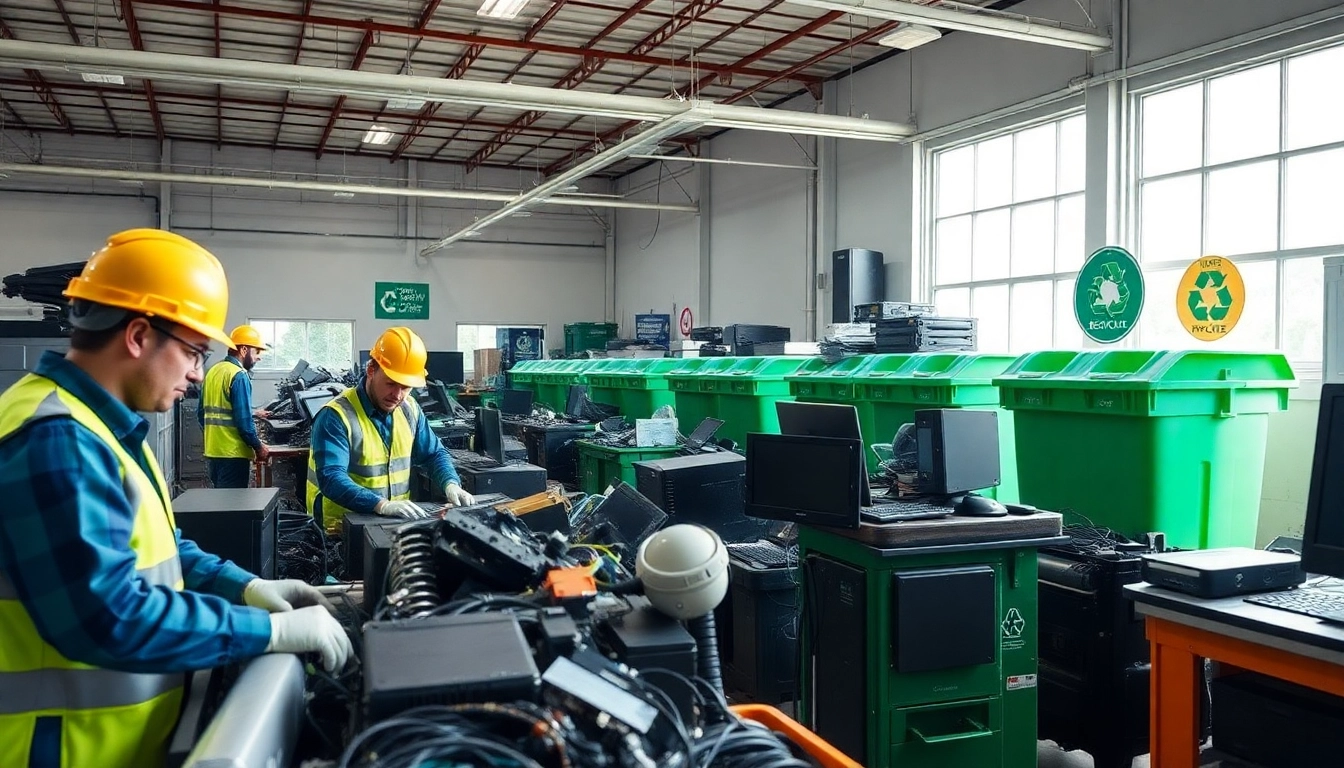
Understanding Local Computer Recycling
As technology continues to evolve at a rapid pace, the need for effective disposal of outdated or non-functional electronics has become critical. This is where local computer recycling plays a vital role in managing electronic waste (e-waste). Understanding the nuances of computer recycling helps individuals and communities embrace responsible practices that benefit the environment, economy, and society.
What is Local Computer Recycling?
Local computer recycling refers to the process of collecting, dismantling, and recycling electronic devices, particularly computers, within one’s community. This includes various components such as desktops, laptops, peripherals, and even mobile devices. The goal of local computer recycling is not only to prevent harmful materials from ending up in landfills but also to recover valuable materials that can be reused in new products.
Importance of Recycling Electronics
Recycling electronics has significant implications for both the environment and human health. The components contained in electronics can be hazardous when disposed of improperly. For instance, heavy metals like lead, mercury, and cadmium pose risks if they leach into soil and water systems. By recycling these devices, we minimize the potential for environmental contamination and conserve natural resources through material recovery.
How Local Computer Recycling Works
The process begins with collection, whether through drop-off centers, community events, or scheduled pickups. Once collected, these items are transported to recycling facilities where they undergo rigorous dismantling processes. Components such as plastics, metals, and circuit boards are sorted and processed separately. After processing, these materials can be transformed into new products, significantly reducing the demand for virgin resources.
Benefits of Local Computer Recycling
Engaging in local computer recycling offers a range of advantages that extend beyond mere waste disposal. It fosters a sustainable environment, supports local economies, and ensures compliance with regulatory standards.
Environmental Impact of E-Waste Recycling
The environmental benefits of recycling e-waste are profound. By diverting discarded electronics from landfills, local computer recycling helps reduce pollution, conserves landfill space, and lowers greenhouse gas emissions associated with production and disposal. Additionally, recycling programs help mitigate the extraction of raw materials, which can be environmentally damaging.
Economic Advantages for the Community
Local computer recycling initiatives have substantial economic implications. They can create job opportunities in recycling facilities, transportation, and refurbishment programs. Furthermore, recycling can yield financial benefits for communities by reducing the costs associated with waste management and potentially generating revenue through recovered materials sold to manufacturers.
Conforming to Legal Regulations
Many regions have legal mandates surrounding the disposal and recycling of electronic waste. By participating in local computer recycling programs, individuals ensure compliance with environmental laws, helping to promote responsible waste management and protect their communities from potential liabilities associated with improper disposal.
Finding Local Computer Recycling Services
Identifying reliable local computer recycling services is essential for ensuring ethical disposal and recycling practices. Several methods can be employed to locate these services.
Researching Available Facilities
Start by researching local recycling facilities in your area. Look for certified recyclers who meet industry standards for environmentally responsible disposal. Community boards and local government websites often provide lists of approved recycling locations. This can help ensure that your electronics are handled safely and ethically.
Online Tools for Locating Recycling Stations
Numerous online resources and databases can help locate recycling stations. Websites dedicated to e-waste management often have search features that guide you to nearby recycling drop-off points. Enter your location details, and you’ll get a comprehensive list of facilities that will accept your electronic devices.
Community Events and Initiatives
Communities frequently hold e-waste recycling events, providing an opportunity for residents to dispose of their electronic devices responsibly. These events usually offer convenient drop-off services and may even include incentives like discounts or giveaways for participants. Check local news outlets, social media, and community centers to stay updated on upcoming initiatives.
Preparing Your Electronics for Recycling
Before recycling your electronics, proper preparation is critical to ensure data security and maximize recycling benefits.
Data Safety and Protection Steps
Protection of personal data should be a top priority before recycling any electronic device. Using data wiping software can ensure that all sensitive information is thoroughly erased. Alternatively, physically removing hard drives from devices before recycling can offer peace of mind that your data is secure and unrecoverable.
Sorting Your Electronics for Effective Recycling
Sorting electronics can lead to more efficient recycling processes. Group your items based on the type of device or material. For example, keep laptops separate from monitors and other peripherals. This will help recycling facilities categorize materials more effectively and optimize recovery rates.
Best Practices for Hardware Disassembly
If you choose to disassemble your electronics, follow best practices to ensure safety. Use proper tools and protective gear, and familiarize yourself with disassembly instructions to prevent damage to components that can be recycled. Separating materials such as plastics, metals, and circuit boards can enhance the recyclability of the parts.
Frequently Asked Questions about Local Computer Recycling
How do I ensure my data is safe before recycling?
Use data wiping software or remove your hard drives to protect personal information effectively.
Is there a cost associated with local computer recycling?
Many local recycling centers offer free services, though some may charge for specific items, especially larger electronics.
What types of electronics can be recycled?
Most electronic devices, including computers, phones, tablets, and various peripherals, can be recycled, boosting material recovery.
Can local computer recycling help the environment?
Yes, recycling helps reduce landfill waste, conserves natural resources, and recovers valuable materials, benefiting the ecosystem.
Are there local events for e-waste recycling?
Check community boards, websites, and local government announcements to find scheduled e-waste recycling events in your area.